


Onchomycosis, also known as nail fungus, is a very common problem.
It is a problem that can make people very self conscious and is often very difficult to treat effectively. The cause is a fungus called tinea unguum. The fungus infects the nail bed where it is protected, moist, warm, and has a good supply of food. Common risk factors for fungal infection are:
-
Getting manicures and pedicures using utensils that have been used on other people
-
Getting minor skin or nail injuries
-
Having a nail deformity or nail disease
-
Having moist skin for a long time
-
Poorly functioning immune system (Diabetes and smoking)
-
Wearing closed-in footwear
Symptoms
Nail changes on one or more nails (usually toenails):
-
Brittleness
-
Change in nail shape
-
Crumbling of the outside edges of the nail
-
Debris trapped under the nail
-
Loosening or lifting up of the nail
-
Loss of luster and shine
-
Thickening of the nail
-
White or yellow streaks on the side of the nail
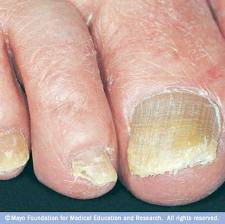.jpg) These changes in the nail are unsightly and can lead to discomfort, and to the inability to wear certain footwear due to the thickness of the nail. Until recently, the problem was very difficult to treat. Creams, vinegar, nail removal, were the only options. Then came oral medications:
These changes in the nail are unsightly and can lead to discomfort, and to the inability to wear certain footwear due to the thickness of the nail. Until recently, the problem was very difficult to treat. Creams, vinegar, nail removal, were the only options. Then came oral medications:
Over-the-counter creams and ointments generally do not help treat this condition.
Prescription antifungal medicines taken by mouth may help clear the fungus.
-
You will need to take the medicine for about 2 to 3 months for toenails; a shorter time for fingernails
-
Fluconazole griseofulvin, terbinafine, and itraconazole are used to treat this condition.
-
Your health care provider will do lab tests to check for liver damage while you are taking these medicines.
In some cases, the health care provider was required to remove the nail. Nails grow slowly. Even if treatment is successful, a new, clearer nail may take up to a year to grow in. AND the treatment effectiveness is only about 50%.
So why am I writing this??? Well, there is a new treatment that is being used that is about 80% effective and I can give it to you. NO blood tests, NO risk of liver damage, NO anesthesia, NO pain. Also, very quick and usually only takes two treatments. It is done using FDA approved laser treatment.
The treatment is done in the office and takes about 15 minutes. We use a 1064 YAG laser that warms the nail and kills the fungus. We treat all 10 toes and repeat the treatment in 6 weeks. Usually the nail re-grows and looks normal in 3-6 months. NO anesthesia is required and can be done on the day of your first visit is you schedule. If more than 2 treatments are required, the cost is greatly reduced.
The expense of the medications and lab work required could exceed $1000.00 and, again, was only 50% effective. The laser treatment for all toes, both feet, two treatments is $800.00...very affordable.
Book your appointment today and tell them it is for treatment of nail fungus so we can schedule laser time. We will have you back in open toed shoes or sandles before next summer!!! Call 918-786-7780 or fill out the contact form and we will call you!
Don't forget out lap band special AND we are starting a new liposuction promotion until Christmas...get one area 10% off and get a second smaller area FREE!!!
Click on image to see lipo special offer!


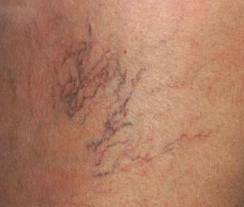 Good news is, when these veins occur, they can be treated. At Total Body Surgical, we have a number of methods for treatment. First, if the problem is extensive, we go out of our way to ensure that the cause is not just a symptom of an underlying bigger vein problem. At the
 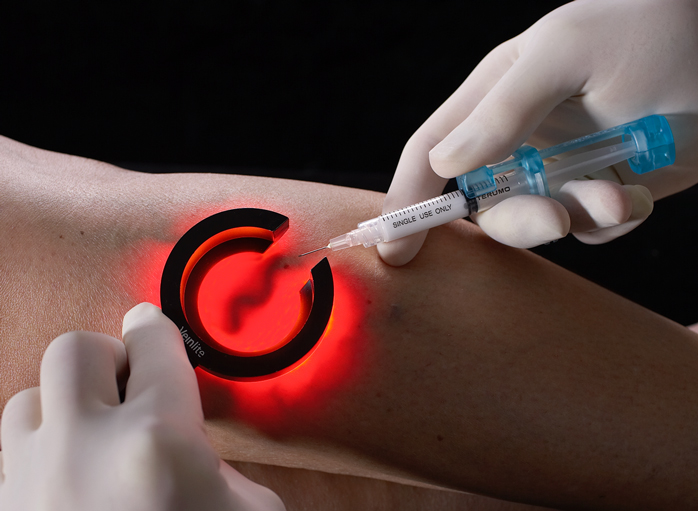 I also use the Vein Light to isolate the "reticular" or connecting veins that feed the spider vein. This allows me to see what is feeding the group of spider veins and inject it as well.
 .jpg?width=169&height=96&name=images_(2).jpg)
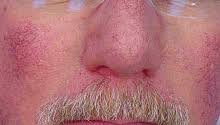
.jpg?width=172&height=98&name=images_(3).jpg) Treatment of spider veins is an ongoing process and should be maintained. Most people with significant spider veins will eventually meet criteria for treatment of the larger veins that are the root of the problem. Patients with facial veins will also need maintenance.
Treatment of spider veins is an ongoing process and should be maintained. Most people with significant spider veins will eventually meet criteria for treatment of the larger veins that are the root of the problem. Patients with facial veins will also need maintenance.


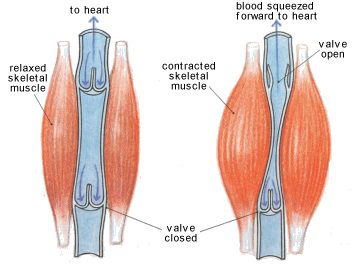 This picture illustrates normal valve activity.
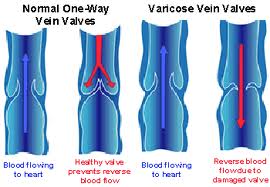 The second image shows a comparison of normal with abnormal function. When these valves are defective, the blood is allowed to return down the leg, increasing pressure and causing tributaries to dilate and become tortuous. Spider veins also develope as the pressure causes enlargement of smaller veins in the skin. The disease is not limited to appearance either. This process causes cramping, restless leg syndrome, skin discoloration, rashes, ulceration with secondary infection, swelling, and ultimately, disability.

 After
After 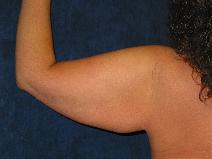
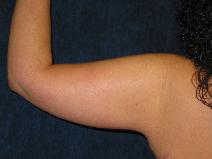




 Literally every state has an issue with people being over weight and in many states.....severely. All we need do is walk down the street to see how bad it is. The question is what to do about it?? This question deals with numerous issues that are difficult to quantify. We are victims of our own prosperity and it is rapidly spreading around the globe. We now have readily available food. Our activity levels continue to decline. The food is processed in ways that may be detrimental to our bodies. Bad habits are passed on to our children and this is perpetuating the problem. Obesity is becoming an issue globally. Many will say "so what", I am fat and hurting nobody, why should you care?? What we see is the rising cost of the care that is required as we get older and fatter. When people are young, their bodies can compensate for their weight by producing more muscle to haul the excess weight around. They can produce more insulin so blood sugars don't rise. Young hearts can beat more efficiently to send oxygen to the excess. BUT, as we age, our skeleton is not capable of carrying all the excess and begins to fail. Our pancreas cannot keep up and the fat causes insulin resistance. Arteries become clogged with fat causing atherosclerosis, starving the heart, losing efficiency. We then have joint breakdown, hypertension, coronary disease, adult onset (type II Diabetes), and the inability to increase activity. These chronic problems are an expensive drain on the medical system and it effects all of us. Not to mention all of the man and woman power we lose as a nation.
 Last week on the Total Body Surgical Cosmetic Surgery blog we talked about wrinkles and how good skin care and Botox can make a big difference. This week we will take a look at the common fillers that can be used.