

If you have not looked at this offer in the red box....you may be missing out on the opportunity of a lifetime!

What does skin cancer have to do with you? Quite a bit actually. Skin cancers are the most common cancers and that is when compared to ALL other cancers. There are 3.5 million skin cancers diagnosed each year and another 77,000 cases of melanoma. The incidence of all types of skin cancer are on the rise for an unknown reason. One can speculate however, i.e., tanning beds, less coverage of skin with modern fashion, changes in our atmosphere, etc., etc. But nobody really knows why.


As you can see from this graphic, this is a common problem. Of course, there are several types of skin cancer that are common. There are types that are not as common. Then there are very rare types that are beyond the scope of this discussion.
Let's talk about the most common types first. Basal cell carcinoma's are the most common types of skin cancer. As the name suggests, this type of tumor arises from the basal layer of skin and is associated with UV or sun exposure. This type of skin cancer comprises about 2.8 million of the 3.5 million skin cancers occurring in 2012. These tumors very rarely spread to lymph nodes or other organ systems. They start off small...
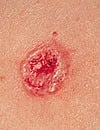 are often ulcerated with raised edges. Like a sore that never goes away. They usually only spread locally and can become quite large if left alone...
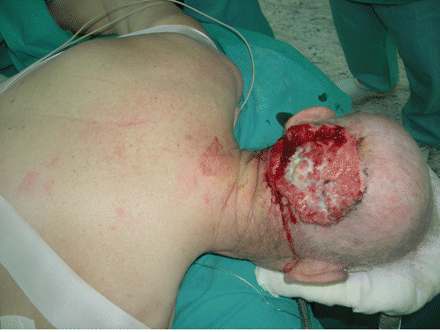 They can locally invade through bone and can require extensive surgery to remove. It is therefore wise to seek advice while these lesions are small and easily removed. We usually remove them surgically but they can also be removed by a Moh's procedure. After complete removal the tumors rarely come back unless there are multiple areas involved (multi-focal tumors). Also, the sun damage that caused the original tumor is also present on other exposed areas. Therefore, once one is removed you must be diligent to identify and remove other tumors.
The second most common tumor, accounting for about 700,000 cases, is squamous cell carcinoma. These tumors arise from the superficial layer of the skin and are also associated with sun exposure. Squamous cell carcinomas involve the most superficial layer of skin. They are usually scaley, thinner tumors in sun exposed areas. Unlike basal cell cancers, these tumors can spread to lymph nodes in about 2-3% of cases. This is why removal of these tumors early is a good thing. 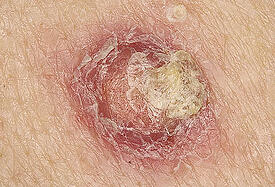


The big daddy of skin tumors is the melanoma. It arises from the pigment cell in the skin called the melanocyte. These tumors can be nasty. About 70,000 of these tumors were diagnosed in the U.S. last year and it seems that it is on the rise. Melanoma can spread about anywhere. From the brain to the eye, spread of the disease is a tough problem. These tumors can occur any place in the body that has pigment cells.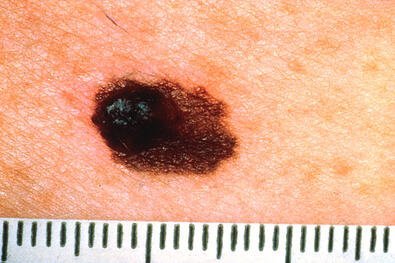 This picture is pretty classic for a nodular type melanoma, irregular, varied color, and a nodule. They can, however, look like a normal mole. Any pigmented lesion on the skin should be watched for change or increase in size. Treating melanoma early is critical to survival and recovery. Early treatment means less chance of spread to other places.
There you have it, a quick primer on common skin cancers you need to look out for. Come see us for these problems and we can help.
918-786-7780 or 1-800-weight-o.


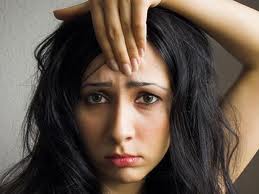 Don't be depressed, have a low self esteem, and lose your confidence, DO something about it!!
 After injection we have you briefly hold pressure on the areas and exercise the muscles we have treated. In 3-5 days or less the wrinkles will soften and many will disappear. The effect usually lasts for 3-6 months and for this time, the muscles are weakened and cannot crease the skin as badly. It does not paralyze the face or make you look "funny" if done properly. You will look refreshed and younger as the wrinkles fade. When the strength in the muscles creating your wrinkles starts to return, you will notice the change in the skin and then return for re-treatment. Most people have 2-3 treatments per year. After you quit paying for wrinkle creams that do not work and cosmetics to hide the wrinkles that are marginally effective, it is a good investment. If kept up with, you can go wrinkle free for years and if you keep up with good skin care as well, you will be miles ahead of the game.
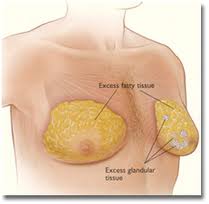 Gynecomastia during adolescence is made of fatty tissue with a bud of breast tissue under the nipple. By the early 20's it should be gone, if not, it may become a real problem. The problems it causes are not generally physical but psychological. Wearing normal clothing becomes an uncomfortable situation for a guy that has breast tissue and makes one very self conscious. Working out to develop pectoral muscles can often times only make things worse...so what's a guy to do??
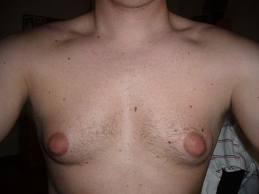 First of all, be patient. It is hard to do but fortunately, in a majority of cases the problem resolves after hormone changes settle down. In cases that don't resolve, we can take care of the problem. Usually, in the normal case, I will liposuction the chest and remove the "bud" of breast tissue. I do this through a small incision in the arm pit to liposuction the chest of excess fatty tissue. I then make an incision through the nipple to remove the small bud of breast tissue. We do this in the office procedure room using some IV sedation and tumescent local. It takes less than an hour and can be life changing. We have you wear a compression shirt for about 3 weeks and from that point on, normal clothes can be worn without the worry of those two little reminders poking through. The incisions heal very well and go unnoticed after a healing time of a few months.
 Let's talk about eyelids for a bit. As the old Yiddish proberb says, "the eyes are the mirror of the soul"....eyes are very important. When we meet someone, where is the first place most people look??? the eyes. Therefore, if we have prematurely aging eyes, they can make us look older, more tired, and cover one of the most beautiful attributes we all have. Eyelids, though small, can change even the way we think about ourselves. We look in the mirror and even though we don't feel tired because of the "tiredness" we see in our eyes we begin to reflect it in our actions.
 Youthful eyes are wide and inviting. The upper lid is full with few wrinkles and no excess skin present. The lower lids are smooth with skin color that is pink. There are no bulges, folds, or "bags" to draw our attention from the color of the iris or the pupil. We see well as there is no abstructing skin in the way. We look and feel great.
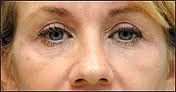 Why is this? When did it happen? How did the first picture become the second?? Well, let's get some answers. The eyelid skin is some of the thinnest skin on the body. It also moves more than the other skin and it is constantly exposed to the damaging UV rays of the sun. The other thing that happens is a loss of fatty tissue in the face. This exposes underlying connective tissue where it is tethered to bone. Lines and bulges that are normally window shaded by ample fat pads begin showing up when those fat pads diminish. Fine lines and wrinkles develope from sun damaged skin, motion, and sagging of the muscle around the eye. The process is unrelenting and over time, the sagging skin can even decrease vision.
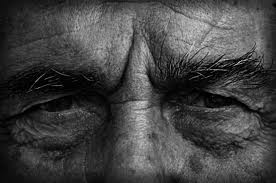 What we see here is a large amount of extra skin on the upper lid obstructing vision and the fat pad below the eye is protruding with severe skin changes. Regardless of actual age, these changes can create the image of a very old person and the view of the eye is just a slit...not a very good view of the soul.

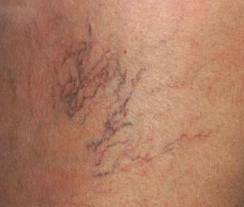 The veins in this picture are perfect....why?? Remember that laser light is attracted to pigment. The darker the pigment, when the laser light hits it, heat is generated, the small vein is injured, the flow stops and the vein is gone. After lasering the vein it turns red and forms a clot that slowly dissolves.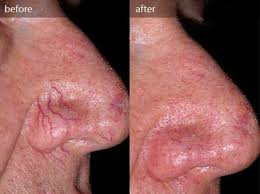
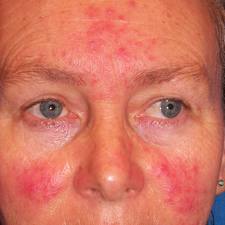
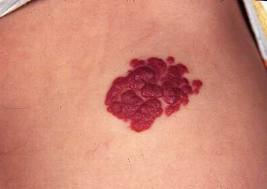 These areas occur in the young and old and anywhere on the body. They can be very small. They can also be very large. Most of these can be closed with the laser. Larger ones may require several treatments. They turn dark, dry up, and are usually gone.
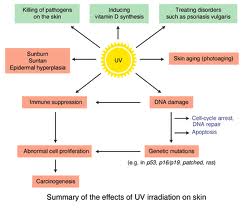
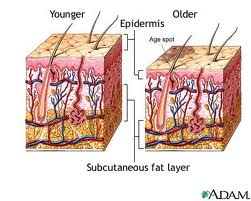 What we see on the outside is this....
 How can
  Last week on the Total Body Surgical Cosmetic Surgery blog we talked about wrinkles and how good skin care and Botox can make a big difference. This week we will take a look at the common fillers that can be used.