



Winter time is vein time a wise man once said (that's me ya'll)!!
Why is winter time the time to worry about those pesky leg veins?? Well, it's because you are already wearing pants. In spring and summer we want to wear shorts, or other more revealing clothing, it is then too late to conseal any ongoing treatment. In winter, the healing process can take place under your clothing and people won't ask too many questions. Now is the time to treat spider veins and larger varicose veins.

Spider veins are small areas that most of us get as we age. These are pesky and ugly but usually do not indicate any major underlying problem with the larger venous system, although they can be an indicator. They look like the skinny legs of a spider, thus the name. They can also look like a bruised area that doesn't go away. Spider veins progress with time and can be made worse by certain occupations..standing, etc. They usually cause little concern except for their ugly appearance, however, they can become large enough to bleed if traumatized and an episode like this can be very frightening.
What do we do for spider veins??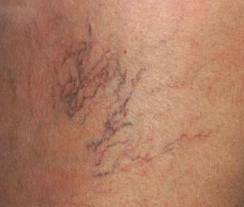 The best way to handle them is with sclerotherapy. Now that may sound scary but really it is pretty simple. We inject the veins with a chemical that causes them to stop working. Sometimes a small clot forms in them and over time, your body resorbs the clot and vein eliminating the problem. The process is fairly easy, quick, and causes minimal pain. We have you wear a tight (compression) stocking for about two weeks after the injections and after that....nothing. You may have some areas of pigmentation in the area for a few months and this usually resolves without further treatment. Because this problem is superficial, most insurances consider this treatment Cosmetic and will not cover it under the usual policy. We charge $350 per treatment and a treatment consists of two vials of the solution we use which is the safe amount at one sitting. If more treatments are required, we usually wait about 6 weeks before re-treating. Small areas usually require only one session. Big, or multiple areas may require several sessions.
For a little larger veins we call reticular veins, we still use the sclerosing solution. Sometimes it is used in a higher concentration and we use an instrument called a vein light. 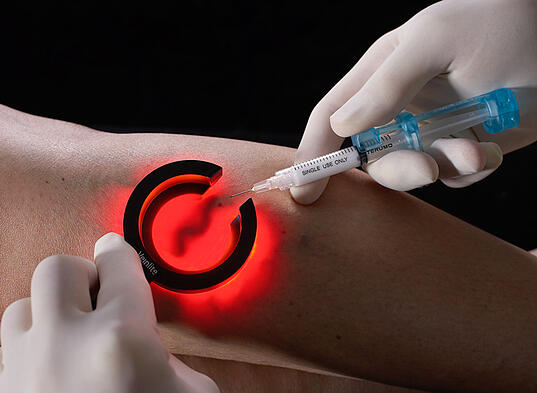
The vein lite allows me to see the larger veins under the skin that fill the small spider veins on the surface. This instrument produces a very bright, circular light that produces no heat and is very good at showing reticular veins as you can see from the picture above. I can then inject them with the sclorosing solution, stop the blood flow, and with time, the vein is eliminated by the body. I usually try to find and eliminate any of these veins at the time I do the routine sclerotherapy. Again, stockings should be worn for two weeks after the therapy and strenuous exercise is avoided for two weeks as well. This helps in preventing future spider veins originating from this one source at least.

Maintenance may be required when treating spider veins. They usually sneak back into your life after a few years, even if all of them are eradicated along with the reticular veins. I like to recommend that less is more....in other words, if we treat a large amount the first series of treatments, it is a lot easier to keep up by treating small areas as they arise. Don't let them get out of hand again.
Varicose veins treated the modern way, with laser, require minimal down time and are done in the office. It usually takes about 3 months to get insurance approval so you need to start now. If you have varicose veins that are ugly, hurt, cause leg swelling, and create embarrassment....come see us to get started on effective, easy treatment today!!!
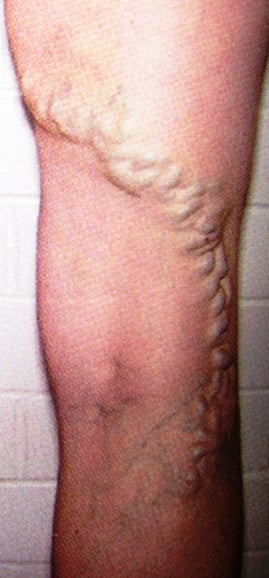 varicose veins.
Call 918-786-7780 or 1-877weight0.

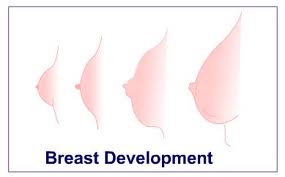
 (the "perfect" breast shape is a misnomer of course)
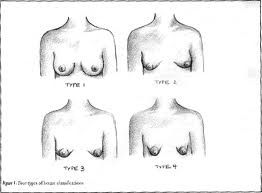 This picture is a depiction of tubular breasts of different severities. It is the mound of the breast that is constricted and does not spread out, therefore, the tubular shape of the breast.
 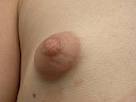 Herniated "puffy" nipple.
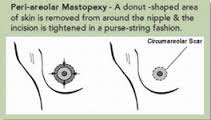 This incision allows us to reduce the nipple size and when closed it flattens the nipple and areola into a more normal appearance. The constricted breast is broken up below so that it is no longer in a tube shape and lays flatter.
 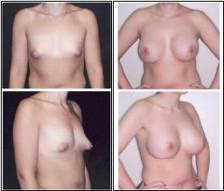 Good representation of tubular breast deformity repair.



 In this photo, you can see the improved shape of the buttocks after liposuction. It looks bigger because the surrounding areas are smaller.
 You can see from this photo that indeed, you can drop a significant number of pant sizes and regain your shape.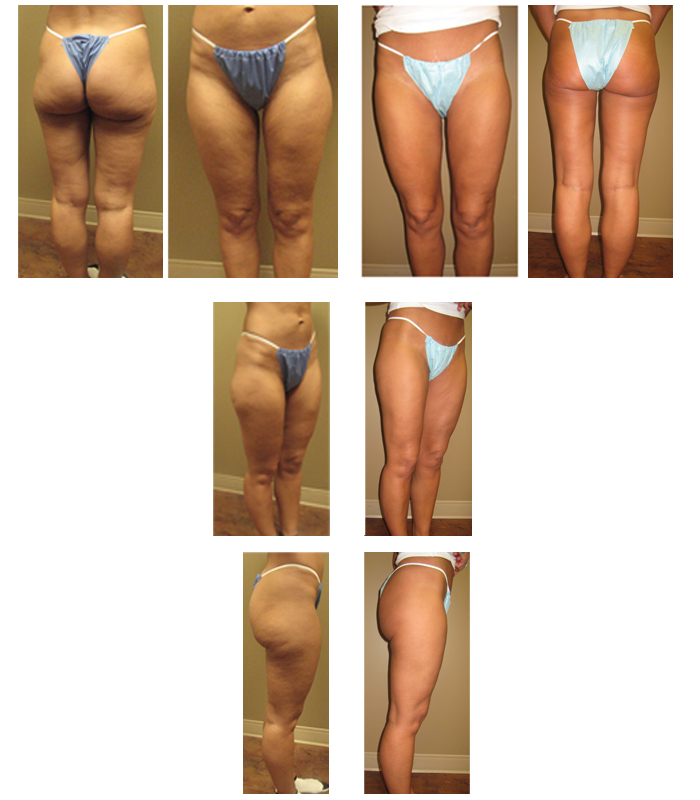





 This picture represents a small polyp that is non malignant.
 If left unchecked the small polyp above can become the large cancer that you see here.
 This picture illustrates the presumed progression of polyps from a small benign problem to a cancer. Of course polyps are not the only thing we look for. Inflammatory bowel disease and other problems are also detected with this test.
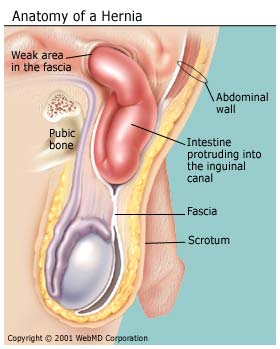
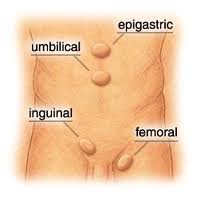 What exactly is a hernia?? Our abdominal wall is composed of layers of muscle and connective tissue. The connective tissue looks like a thin tendon. All of us who have cut up meat or a chicken have noticed the shiney layer of whitish, tough tissue that surrounds the muscles....this is connective tissue or fascia. Pound for pound it is very tough and it is responsible for holding in the contents of the abdomen and gives the muscles something to pull on when they contract. A hernia occurs when there is a hole created in this layer and contents of the abdomen poke through that hole. The mid line of the abdomen (especially the belly button) and the groins are the weakest areas and therefore are the most common sites for naturally occuring hernias. Here is a picture of an inguinal hernia...
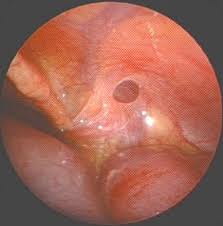
 Here is a photo of what the hole looks like from the inside using a laparoscope and as you can see, with the contents removed, there is an actual hole.
 Hernias become a problem when things get stuck in them...things like intestines, fatty tissue, and other contents of the abdomen. They can also cause discomfort due to stretching of the wall of the abdomen with straining to lift, urinate, or have a bowel movement. Things can also become stuck, lose blood supply and die within the hernia. Small hernias may never cause a problem. These are the common hernias of the abdominal wall. I won't cover the more obscure ones due to time and the others are fairly uncommon.

.jpg) Austin Powers....demonstrated his ignorance of laser technology. Lasers have been a mystery to most!!
Austin Powers....demonstrated his ignorance of laser technology. Lasers have been a mystery to most!! 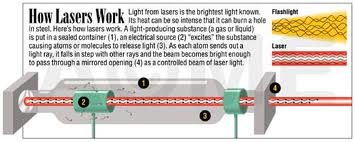.jpg?width=571&height=228&name=images_(9).jpg)